CHITARRA - GUITAR

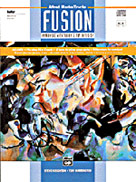
FUSION GUITAR, MASTERTRACKS. Steve Houghton and Tom Warrington CD

FUSION GUITAR, IMPROVISE MASTERTRACKS. CD

Alfred MasterTracks Fusion [Guitar]
Music by Steve Houghton and Tom Warrington

UPC: 038081084381

ISBN 10: N/A
ISBN 13: N/A
CATEGORY: Instrumental Series
FORMAT: Book & CD
INSTRUMENT: Guitar


The music selected for Alfred MasterTracks is intended to provide a broad range of improvisational material for soloists of all skill levels. An improviser needs to feel comfortable in a variety of musical settings, so we have designed a series that addresses a number of different styles, tempos, and keys. Therefore, this book will also serve as a very up-to-date listening reference for many popular Jazz, Latin, and Fusion grooves. In undertaking this project, we decided that we would try to appeal to a wide variety of musicians, from the most raw, beginning improviser all the way to the most advanced improviser. As a result, we have provided charts that indicate a basic structure of harmony and rhythm, plus some very basic melodies for beginning improvisers to play around with, since one good starting point for improvisation is the melody. (These melodies are not recorded on the tracks, however.) More advanced players may want to disregard these melodies completely and dig into blowing over the tracks, worki ng on whatever materials they are currently practicing. It is beyond the scope of this book to present a complete manual for improvisation. Rather, we chose to present some varied harmonic and rhythmic situations that would allow improvisers to practice their craft.


HOW TO USE MASTERTRACKS

After we recorded Essential Styles, Books 1 & 2 (a play-along series for bass and drums), many players said that they would've enjoyed a similar series for other instruments. With that idea in mind, Alfred MasterTracks was born, completely devoted to being a contemporary instrumental play-along for all instruments, not a bass/drum method. These tracks, rather than being designed as a cross section of styles, are more of a collection of varied harmonic and rhythmic situations that melodic improvisers will encounter. For example, in the jazz book, you will find three different versions of the blues. They are obviously the same form and general style, but in different keys and at various tempos in order to provide a more thorough blues "workout." All of the selections in the Alfred MasterTracks Series were professionally recorded and mixed at Chick Corea's Mad Hatter Studios and are of the highest quality. Piano and bass players will be interested to note that the recording is mixed with the piano on the right channel and the bass on the left, so that either of these two rhythm section players can dial out their respective instruments and play accompaniment parts along with the tracks, in addition to soloing with them. Although it is true that the term "improvisation" is foreboding for some young musicians, the selections in these texts have been structured with easy melodic lines which can be used as a point of departure for even the most inexperienced improvisers. The idea here is to have some good-sounding tracks to play along with, and to have some fun! So, without becoming completely encumbered with a lot of intellectual baggage regarding improvisation, young players might simply put on the CD or cassette and start trying to play along by ear. Or they might read the simple melodies that have been provided as a means of gaining some understanding of the form and harmonic content, and proceed from there. By playing portions of the melodies, and then embellishing them slightly, young players will soon find themselves creating their own melodies using the given material as the springboard. Some of the tracks are played in such a way that the harmonies are not extremely complex; altered chords and polyrhythms in the comping have been minimized. On other tracks, these elements are more fully utilized, creating a nice range of intensity levels. The idea is that, while there is an abundance of material here for beginning improvisers, there is also plenty to challenge advanced players. So, have fun with these tracks. We hope they will be a valuable tool in your quest for musical excellence.


FUSION


Foreword / How to Use the Alfred MasterTracks Series

The Soloist and the Rhythm Section .

Thoughts on Improvisation

Understanding Chord Symbols

Understanding Rhythm

Creating Your Own Style

Harmonic Overview - Fusion


Contemporary Fusion-iv- V-Isus (3 :07) 10

CD Track Concert Key

#1 A Major K.C. Blues-bright blues (2:53) .

#2 F Major Blues Shuffle-medium tempo (3:51)

#3 G Major Slow 12/8 Blues Shuffle (4:02)

#4 C Major Contemporary Fusion iv – V -Isus

#5 D Major Up-Tempo Rock & Roll Blues-straight 8ths (2:49)

#6 F Major Half-Time Rock Ballad (3:31)

#7 E minor Medium Funk-minor blues (3:41)

#8 B~minor ii-V Funk Shuffle (5:05)

#9 E minor Techno Funk-8-bar minor blues (3:09)

#10 D Major Early Funk (3:10)

#11 C minor Swing 16ths (2 :56)

#12 F minor Hip-Hop Funk with 16 bar section/solo with guitar & drums (2:53)


About the Authors


Note: All tracks were recorded and mastered at A440.

You may need to make tuning adjustments to match the playback speed of your audio equipment.


Bill Cunliffe, Keyboards

Paul Viapiano, Guitar

Tom Warrington, Bass

Steve Houghton, Drums

Brian Kilgore, Percussion

Recorded and mixed at Mad Hatter Studios, Los Angeles

Engineered and mastered by Talley Sherwood


Exciting play-along tracks for beginning or advanced improvisers!

Digitally recorded and mastered, these top-quality play-along tracks on CD or Cassette provide an invigorating way for you to broaden your improvisation skills while experiencing what it's like to play with a hot rhythm section. The recordings are highly effective as a listening guide to many of today's most popular grooves. Numerous styles are covered in the series, including blues, minor blues, ballads, modal tunes, bebop, rock & roll blues, blues shuffle, funk shuffle, fusion, techno funk, hip-hop, bossa nova, baion, samba, son go, Latinfusion and more.

Also Available for the following instruments:

C Treble Clef (Flute, Vibes, Oboe, Violin)

Bb (Clarinet, Trumpet, Soprano Saxophone,

Tenor Saxophone, Baritone T.c.)

Eb (Alto Saxophone, Baritone Saxophone)

C BassClef (Trombone, Baritone B.C., Bassoon, Tuba, Cello)

Guitar (Acoustic or Electric)

Keyboard (Electronic Keyboard, Synthesizer, Acoustic Piano)

Bass (Acoustic or Electric)

Book & CD

Alfred Publishing Co., Inc.

Prezzo: €21,00
€21,00

BILL EVANS THE GUITAR BOOK Sid Jacobs CD TABLATURE CHITARRA SPARTITI LIBRO Funkallero

BILL EVANS, THE GUITAR BOOK. di Sid Jacobs. Funkallero -Laurie -Letter to Evan -My Bells -Orbit -Peace Piece -Peri's Scope -Remembering the Rain -A Simple Matter of Conviction -Time Remembered -Turn Out the Stars -The Two Lonely People -Very Early -Waltz for Debby. SHEET MUSIC BOOK WITH CD & GUITAR TABLATURE. 

LIBRO DI MUSICA JAZZ CON CD. 

SPARTITI PER CHITARRA CON:

ACCORDI, PENTAGRAMMA, TABLATURE. 

by Sid Jacobs
Series: Guitar Solo
Softcover with CD - TAB
Artist: Bill Evans
Composer: Sid Jacobs

In this book/CD pack, Musicians Institute instructor Sid Jacobs, who organized the school's Jazz Guitar elective, translates the playing of quintessential jazz pianist Bill Evans for guitarists to enjoy. Includes music, instruction and analysis of 14 Evans' pieces, all in their original keys and with full demonstration tracks on the accompaniment CD.
"Sid's marvelous transcriptions of Bill Evans' tunes for solo guitar have just raised the guitar to a new level. This is contemporary guitar at its harmonic best." Diorio

48 pages

Prezzo: €24,99
€24,99

FITE BUDDY FINGESTYLE JAZZ GUITAR SOLOS CD TABLATURE BOOK CHITARRA SWING LIBRO MEL BAY

FITE BUDDY, FINGESTYLE JAZZ GUITAR SOLOS. Comprende anche pezzi per 2 chitarre. SHEET MUSIC BOOK with CD & GUITAR TABLATURE. 


LIBRO DI MUSICA JAZZ SWING, CON CD. 

SPARTITI PER CHITARRA CON : 

ACCORDI, PENTAGRAMMA, TABLATURE.


https://youtu.be/rmpDn4c0FZs


https://youtu.be/sa2pCp8BEi0


https://youtu.be/2tkO1bIgz38


https://youtu.be/_lnlZMAlt8c


https://youtu.be/63SNjHdJS3Q

Prezzo: €99,95
€99,95

ELLIS HERB BLUES SHAPES FOR GUITAR IN TAB BOOK & CD TABLATURE CHITARRA LIBRO METODO

ELLIS HERB, BLUES SHAPES FOR GUITAR IN TAB. SHEET MUSIC BOOK WITH CD & GUITAR TABLATURE.


LIBRO METODO DI MUSICA JAZZ, CON CD.

SPARTITI PER CHITARRA : 

ACCORDI, DIAGRAMMA DELLA TASTIERA, PENTAGRAMMA, TABLATURE . 

Prezzo: €59,99
€59,99

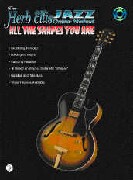
ELLIS HERB JAZZ GUITAR METHOD: ALL THE SHAPES YOU ARE book CD TABLATURE GRIGLIA DEGLI ACCORDI

ELLIS HERB, JAZZ GUITAR METHOD: ALL THE SHAPES YOU ARE. SHEET MUSIC BOOK with CD & GUITAR TABLATURE.


LIBRO METODO DI MUSICA JAZZ, CON CD.

SPARTITI PER CHITARRA CON :

ACCORDI, PENTAGRAMMA, TABLATURE. 


GRIGLIA DEGLI ACCORDI


The Herb Ellis Jazz Guitar Method: All the Shapes You Are
By Herb Ellis and Terry Holmes
Guitar Book & CD
Item: 00-EL9531CD
Artist: Herb Ellis
Author: Terry Holmes
Instrument: Guitar
Format: Book & CD
Page Count: 48
Item Number: 00-EL9531CD
ISBN 10: 1-57623-342-1
ISBN 13: 978-1-57623-342-9
UPC: 029156204544
Prezzo: €36,99
€36,99

AL DI MEOLA MUSIC WORD PICTURES Artist Transcriptions LIBRO Guitar TABLATURE CHITARRA PACO

DI MEOLA AL, MUSIC, WORD, PICTURES. SHEET MUSIC BOOK wirh GUITAR TABLATURE .

LIBRO DI MUSICA LATIN JAZZ FUSION .

SPARTITI PER BASSO E CHITARRA .

ACCORDI E PENTAGRAMMA.


Series: Transcribed
Artist: Al Di Meola

A collection of Al's greatest, complete with biography, discography, and complete description of Al's special techniques. 144 pages.


AL DI MEOLA

EDITORIAL NOTES
The music in this book contains transcriptions taken directly from scores and recordings of Al Di Meola. The transcriptions include the guitar lines, bass lines, and chord progressions. The tunes were chosen by Al himself, and although he would have wished to have included more music, this was impossible due to space limitation. Unfortunately, it does not contain all of AI's lengthly solo breaks written out again due to space limitation. Each tune consists of the main thematic sections fully written out, with the solo break sections being indicated by showing the basic background" riff," with repeats included.
The order of the music, as it appears in this book, has nothing to do with the level of difficulty of the music, but rather the ordet shows the chronological progression of AI's music from his first solo album to his most recent one.

Al plays most of his music very up tempo, and it sounds incredibly hard to play. But one very important discovery I made while we worked on transcribing the music to print was that once you see the music written out, it is not very hard to read. Just work on the following practice suggestions, as well as those Al gives in the section of this book entitled "Technical Talk". An added help would be to use "AI Di Meola's Picking Techniques" book available.

As everyone knows, the main elements in AI's guitar playing are speed and accuracy. Al suggests that anyone attempting to play his music practice it slowly with accuracy in both the left and right hands, and you will in time be able to play his music. In addition, the main musical element in AI's writing is the use of scales in both his thematic and solo break structures. AI's suggestion is to study the scales in all positions as an aid. Addressing yourself to these above mentioned elements of AI's playing and writing styles will help you tremendously not only in playing AI's music, but also in the writing and playing of your own music, as the elements of speed, accuracy, and scale work will broaden your musical creativity.
It is important to note that the playing positions and fingerings contained in these transcriptions are the choosing of the editor, and are not necessarily those that Al uses himself. They are those that seem most comfortable to me.
You should feel free to play the music in any position you feel comfortable with. As Al has stated many times, you should know your fretboard so well that you can play the given music in any position feasible. But for those of you who don't know your fretboard well, I felt it necessary to include one way you could play these tunes.
You should also note that the bass lines contain no fingerings or position markings, since I felt it better to leave it up to the player. Of course, keyboard players can use both lines, or play the chord changes along with the guitar line.
I do hope that you get many things from this book, but most of all I hope you have fun and enjoy it.
Music Editor


... Do you have any suggestions for how to learn these things?
I would recommend books that show the positions and ways to play them. Check out Berklee's books (Berklee Press Publications), because I know their advanced stuff to be very good; it's probably the same with their beginning books, too. I would suggest starting your scale education with the major and minor scales, and,after that, diminished, augmented, and whole-tone. Then, depending on what kind of music you ant to play, the modes should be learned. My theory about this kind of thing is that you should never stop learning.
Once you've got it you can play whatever you want, and your playing will sound more advanced, thus achieving a better understanding of the instrument.

How does this apply to the way you play now?
ell, now I know where to play on the instrument and what to do to get the sound I want. And because it comes o easily, I can play more in terms of feelings. You can spend a lifetime playing with the "thinking" process of hat scale to put against what chord. If you were to analyze my playing, you would find elements of the phrygian, dorian, mixolydian, and locrian modes etc.


Would you describe your left-hand technique?
My left.hand position is one from which all four fingers have easy access to the fingerboard. It doesn't vary much from that, because it is natural for me to use all four fingers to play my ideas. I really find it frustrating to see so man rock players using just the first and third fingers. It isn't necessarily wrong, but it is impossible for almost an one to play any kind of scale with and fluidity.


What about your picking style?
It is just normal alternating picking. Because I was taught that way from the beginning, it is very natural for me, and I really don't think about it. Sometimes I have my wrist on the bridge, and sometimes it is free-floating. And although my pick hits the string flat most of the time, it will change, depending on what sound I want.


How do you come up with the rhythms in your playing?
I guess they come from a love of drumming and Latin music. My involvement with Return To Forever also helped. Unlike a lot of electric guitarists, who play mostly lagato, I tend toward playing rhythms like a drummer or percussionist would. I try to incorporate both rhythmic, percussive lines with the more legato phrasings. A lot of the trickiness of many of my scale runs is involved with the rhythms and where the accents fall.


How do you work on these tricky runs?
It depends, because sometimes one apparently tricky passage will flow really easily, while another passage will be alot more difficult. I'll then have to sit down and work out the fingering. I usually find it best to work on passages at a slow tempo with correct rhythm.


Is there a good way to work on alternate picking?
I would suggest picking three or four notes, and working on those. Too often, players who are trying to improve their right-hand dexterity get hung up by trying to play too many notes in the left hand. I hear a lot of players running whole scales from the sixth string to the first and playing them really sloppy. So, I say to make it very basic, ing only a few notes and play slowly with perfect rhythm in time. That, in itself, is a task.


Do you work on your own picking very much now?
ell, I want to get even better. There are a lot of lines in my music that are tricky for the right hand, and I only know that I've really got it when I don't have to think about it at all. I find that going over these runs before a performance serves as a good warm-up also. I practice tricky things with skips and jumps in them, but it's always omething that I am going to be playing in the music. One thing that makes some lines tricky is their rhythm. When I'm playing something very rhythmic, I use my left and right hands to enhance different parts of the passage. For example, I mute strings a lot.


How did muting become a part of your playing technique?
It was actually very natural. When I first started taking guitar lessons, I was very self-conscious in just playing around other people. I never really wanted anyone to hear what I was doing, because I was very conscious of their pace, too. I never wanted to have people say, "What's that noise?" In those days, electric guitar was not accepted like it is today. I was very shy, so I started muting the strings with my hand to cover up the volume. Years later, I ould mute the strings as a musical effect, but only then did I realize that it had become a part of my style. ...


TITOLI:
Al Di's Dream Theme FOR GUITAR AND BASS - SOLO IN PENTAGRAMMA, SENZA TABLATURE
Casino FOR GUITAR AND BASS - SOLO IN PENTAGRAMMA, SENZA TABLATURE
Dinner Music Of The Gods FOR GUITAR AND BASS - SOLO IN PENTAGRAMMA, SENZA TABLATURE
Egyptian Danza FOR GUITAR AND BASS - SOLO IN PENTAGRAMMA, SENZA TABLATURE
Electric Rendezvous FOR 2 GUITARS AND BASS - SOLO IN PENTAGRAMMA, SENZA TABLATURE
Elegant Gypsy Suite FOR GUITAR AND BASS - SOLO IN PENTAGRAMMA, SENZA TABLATURE
Lady Of Rome, Sister Of Brazil FOR 2 GUITARS  - SOLO IN PENTAGRAMMA, SENZA TABLATURE
Land Of The Midnight Sun FOR GUITAR AND BASS - SOLO IN PENTAGRAMMA, SENZA TABLATURE
Midnight Tango FOR GUITAR AND BASS - SOLO IN PENTAGRAMMA, SENZA TABLATURE
Morning Fire FOR GUITAR AND BASS - SOLO IN PENTAGRAMMA, SENZA TABLATURE
Race W/Devil On Spanish Highway FOR GUITAR AND BASS - SOLO IN PENTAGRAMMA, SENZA TABLATURE
Ritmo De La Noche FOR GUITAR AND BASS - SOLO IN PENTAGRAMMA, SENZA TABLATURE

Passion, Grace & Fire, con 2 TABLATURE, della chitarra di PACO de LUCIA e di AL DI MEOLA

Prezzo: €29,99
€29,99

DI MEOLA AL SOLOS Mediterranean Sundance GUITAR TABLATURE SPARTITI CHITARRA LIBRO TECNICA

DI MEOLA AL, SOLOS. SHEET MUSIC BOOK WITH GUITAR TABLATURE .

LIBRO DI MUSICA JAZZ FUSION .

SPARTITI PER CHITARRA :

ACCORDI, PENTAGRAMMA, TABLATURE . 

Contiene esempi da: Andonea -the embrace -global safari -indigo -kiss my axe -last tango for Astor -Mediterranean sundance -Morocco -one night last June -parrada -passion, grace & fire -ritmo de la noche -scenario -sequencer -song with a view -traces of tear -vistaero. 

This exploration of DiMeola's music includes transcribed solos and lessons and 17 songs:

AL DI MEOLA SOLOS
Series: Guitar School
Publisher: 21st Century Publications
Artist: Al Di Meola

Inventory #HL 00660336
ISBN: 9780793536719
UPC: 073999603361
Width: 9.0

TITLES : 

Andonea
The Embrace
Global Safari
Indigo
Kiss My Axe
Last Tango For Astor
Mediterranean Sundance
Morocco
One Night Last June
Parranda
Passion, Grace & Fire
Ritmo De La Noche
Scenario
Sequencer
Song With A View
Traces Of A Tear (Di Meola)
Vistaero

96 pages

Prezzo: €29,99
€29,99

DI MEOLA AL CIELO E TERRA GUITAR SHEET MUSIC BOOK SPARTITI LIBRO CHITARRA HAL LEONARD

DI MEOLA AL, CIELO E TERRA. SHEET MUSIC BOOK FOR GUITAR.


LIBRO DI MUSICA JAZZ FUSION.

SPARTITI PER CHITARRA CON:

ACCORDI, PENTAGRAMMA.

TRANSCRIPTIONS FROM THE ALBUM CIELO E TERRA.
FOR ACOUSTIC, CLASSICAL, OR ELECTRIC GUITAR.

ANCHE PER DUE CHITARRE.


MUSIC TRANSCRIPTIONS BY BARRY ENNIS

TRANSCRIPTION OF ETUDE BY KEN NAVARRO.

TITOLI.

- TRACES OF A TEAR

- VERTIGO SHADOW

- CIELO E TERRA

- ENIGMA OF DESIRE

- WHEN YOU'RE GONE

- ATAVISM OF TWILIGHT

- ETUDE

- SOLACE
 

Prezzo: €99,99
€99,99

DI MEOLA AL ELEGANT GYPSY GUITAR TABLATURE MEDITERRANEAN SUNDANCE CHITARRA LIBRO SPARTITI

DI MEOLA AL, ELEGANT GYPSY. SHEET MUSIC BOOK WITH GUITAR TABLATURE .

LIBRO DI MUSICA JAZZ FUSION.

SPARTITI PER CHITARRA : 

ACCORDI, PENTAGRAMMA, TABLATURE. 


Studio Album Recorded : December 1976 - January 1977 .
Released : April 1977 .


TITOLI : 

1 - Flight Over Rio
2 - Midnight Tango
3 - Mediterranean Sundance
4 - Race with Devil on Spanish Highway
5 - Lady of Rome, Sister of Brazil
6 - Elegant Gypsy Suite


MUSICIANS: 

Al Di Meola: Electric guitars, acoustic guitars, piano, synthesizer, percussion.
Paco de Lucía: Acoustic guitar (track 3).
Anthony Jackson: Bass guitar (tracks 1, 2, 4, 6).
Jan Hammer: Keyboards, synthesizer (tracks 1, 6).
Barry Miles: Piano, keyboards, synthesizer (tracks 2, 4).
Steve Gadd: Drums (tracks 1, 6).
Lenny White: Drums (tracks 2, 4).
Mingo Lewis: Congas, synthesizers, organ, percussion

Prezzo: €99,99
€99,99

DI MEOLA AL McLAUGHLIN PACO DE LUCIA FRIDAY NIGHT SAN FRANCISCO Mediterranean Sundance BOOK

DI MEOLA AL, JOHN McLAUGHLIN, PACO DE LUCIA, FRIDAY NIGHT IN SAN FRANCISCO. SHEET MUSIC BOOK IN STANDARD NOTATION. 

LIBRO DI MUSICA JAZZ, FUSION,
SPARTITI PER CHITARRA CON PENTAGRAMMA E ACCORDI. 
TRASCRIZIONE DI OGNI CHITARRA.

Questo irripetibile concerto del 5 dicembre 1980, ha aperto le strade al genere spanish-jazz-acustico.

LIBRO DI MUSICA JAZZ FUSION, TRASCRITTO da AL DI MEOLA !

SPARTITI PER 2 E 3 CHITARRE CON:

ACCORDI E PENTAGRAMMA.

DISCO PIù FAMOSO DEL TRIO CHITARRISTICO PATRONIMICO ( Di, Mc, De ) .  


Al Di Meola, Paco De Lucia: Mediterranean Sundance/Rio Ancho;
Al Di Meola, John McLaughlin: Short Tales Of The Black Forest;
Paco De Lucia, John McLaughlin: Frevo Rasgado;
Al Di Meola, Paco De Lucia, John McLaughlin: Fantasia Suite; Paco De Lucia, Al Di Meola, John McLaughlin: Guardian Angel.

Trascrizione di ogni chitarra.


Al Di Meola, John McLaughlin and Paco DeLucia - Friday Night in San Francisco

Artist Transcriptions
Series: Guitar Book
Artist: Al Di Meola
Artist: John McLaughlin
Artist: Paco Delucia

This famous trio of acoustic guitarists is captured live in this matching folio to the Grammy Award-winning album from a live concert in San Francisco. The book contains full transcriptions of every tune including: Short Tales of the Black Forest - Mediterranean Sundance/Rio Ancho - Fantasia Suite - and more.
Inventory #HL 00660115
ISBN: 9780793512461
UPC: 073999601152
Width: 9.0"
Length: 12.0"
96 pages


Series: Guitar Book
Artist: Al Di Meola
Artist: John McLaughlin
Artist: Paco Delucia
Artist Transcriptions 21st Century Publications

"Latin rhythms are the most interesting rhythms in the world," opines Al Di Meola, "and to write them you have to be able to play them." And Di Meola can certainly play them. The master altenate-picker and fusion pioneer has carried on a multi-decade love affair with the music of Spain and Central and South America while simultaneously leaving his imprint on the jazz and rock worlds. His two latest releases are The Guitar Trio with Paco de Lucia and John McLaughlin, and Di Meola Plays Piazzolla, a tribute to the great Argentinean tango composer Astor Piazzolla. Both albums are rich in Latin influences, and Di Meola has devoted his musical life to absorbing the subtle stylistic nuances of the various genres within his own playing. "Almost everything I do I kind of analyze to be some kind of percussion or drum pattern," says Di Meola. "I'm particularly interested in what's known as the 'clavé' rhythm. That's essential in Latin music, and some people just can't do it. But you'll hear Latin musicians say, 'Oh, he plays good clavé.' clavé is sometimes referred to as a rhythm, hut mostly in salsa music. When you play against the clavé, you're playing against the time, and that's what I do a lot when 1 play rhythmically on a guitar. We refer to clavé as the quarter note." A great example of this can be found in Di Meola's song "Beyond The Mirage," from The Guitar Trio (see Ex. 1). The opening arpeggios are composed in a classic clavé rhythm. "All three guitars tune the 6th string down to a low D," says Di Meola. "I use a little bit of my Roland GR synth in there, so you can hear that real low tone of a fretless bass sound." 

The picking pattern is not strictly alternating, but designed to fit over the specific string spread. Di Meola composed the picking pattern as much as the notes themselves. You must perform the pick strokes a certain way to achieve the proper ,"hythm. "The first note you hit is on the 6th string, the second note is on the high E string, the third on the D string, and so on," explains Di Meola. "So there's a lot of skipping around. It's down, up, down, up, up, up. But you have to do it this way or the rhythm won't sound just right. And if it's off a hair, the feel is ruined."
At this brisk tempo (q=200), it's quite a challenge to execute pattens accurately. But that's not the most difficult aspect of the passage, according to Di Meola: "It's more the rhythm that's going to mess people up. And what people need to get into is experimenting more with different rhythms, and keeping all of that locked into the clavé time." The rhythm and the placement of the accents brings to mind anothe," Latin-jazz standard, "Spain," by Chick Corea. "The whole thing in 'Spain' is the way those accents fall," says Di Meola. "It's off of the clavé without the clavé moving that will determine whether it's working or not. What 1love about Chick is that he writes and plays with so much clavé. I'm really drawn to his ability to use that in composition and playing." As a fitting homage to Corea-who helped launch Di Meola's career by hiring ti,e teenage,' to play in his band Return To Forever -Paco, John, and Al perform "Spain" as an encore. Note how close the rhythm and accents are in the opening of "Spain" to Di Meola's own tune. The difference is that "Spain" is melodic and "Mirage" is rhythmic. Both carry the clavé rhythm within their notes, and both capture the essence of Latin music. "The important tiling is the rhythm," stresses Di Meola. "Withont that you have nothing. Whether it's 'Spain' or 'Beyond The Mirage' or whatever, the rhythm is everything."


 Quando nella seconda metà degli anni '70 comparve il primo album dal titolo "Land Of The Midnight Sun", di un giovane chitarrista il cui particolarissimo stile esecutivo era stato già notato sulle produzioni di Chick Corea "No Mytery" e "Romantic Warrior", si ebbe occasione di ascoltarlo esterefatto in cuffia in un negozio di dischi. Il disco avrebbe fatto furore tra gli "insiders" dell'epoca; i giovani cultural-rampanti di allora ascoltavano jazz-rock, fusion, Zappa e art-rock sul tipo dei "Gentle Giant". I successori del chitarrista di Chick Corea potevano solo sognare di una carriera incredibile come quella che iniziò allora AI Di Meola: mentre oggi Scott Henderson e Frank Gambale suonano in piccoli Clubs, AI Di Meola riempiva già allora grosse sale, senza problemi. La sua seconda produzione, "Elegant Gypsy" fu votata jazz-album dell'anno nella classifica di Guitar Player e AI Di Meola stesso salì sul trono di migliore chitarrista jazz dell'anno. Tutti i suoi dischi di quel tempo hanno sufficiente fuoco ritmico, ma, almeno allora, AI Di Meola sembrava evitare come il diavolo l'acqua santa, shuffle, swing e tutto quello che avesse a che fare con grooves a terzine. "Mediterranean Sundance", un duetto col gigante del flamenco Paco De Lucia, è stato pubblicato su "Elegant Gypsy".Nella notazione di questa rubrica si trova la parte di Al Di Meola, dal tema fino alla fine del suo assolo; qui c'è dentro tutto ciò che mandava in pappa il cervello dei giovani chitarristi (aspiranti e non) di oltre 16 anni fa. Ancora oggi ci sorprende la velocità e la precisione tecnica per quanto riguarda la scelta del suono ed il fraseggio; l'entusiasmo è un po' diminuito. Praticamente tutto il brano è composto solo da note in MI- naturale; in alcuni punti spunta un RE# sul MI- armonico. Le salve di staccato tipiche di AI, sono ottenute con una percussione energica vicino al ponte ed un deciso smorzamento delle corde con la mano (p.m. = Palm Mute, sordina col palmo della mano). I passaggi ad altissima velocità sono composti fondamentalmente da una serie di segmenti di scala; ne sono stati influenzati chitarristi come Steve Lukather, Vinnie Moore e una serie di esecutori da "competizione e gran turismo". AI allora suonava delle Les Paul, le sue chitarre acustiche erano della casa Ovation.


Spaventosa, questa musica vive della sua velocità, esattamente come anche la musica classica. Per suonare musica strumentale interessante occorre essere padroni di una tecnica fenomenale. E' importante che l'ascoltatore colga la complessità della musica: lento, rapido, triste, allegro - sono tanti gli stati d'animo e gli aspetti della musica; non è solo rapidità esecutiva. Come compositore e musicista improvvisatore voglio anche poter tradurre in note reali quello che mi gira per la mente; e a questo scopo non posso fare a meno di una determinata tecnica. Solo così può funzionare. Ma la rapidità esecutiva credo non sia più un punto di discussione ... almeno per gli ultimi 6 o 8 albums.

Ancora qualche osservazione sulla biografia di questo musicista: Larry Coryell è uno dei chitarristi che hanno influenzato inizialmente Al Di Meola: lui ha definito Coryell come il vero e proprio padre della fusion. Al si recava regolarmente ai concerti del suo idolo. I due musicisti si incontrarono e si conobbero: Coryell ha invitato il sedicenne Al nella sua fattoria dove senz'altro gli ha insegnato qualche trucco. AI volle approfondire l'argomento e nel '71 si iscrisse al Berklee College di Boston. In questo periodo ha seguito soprattutto la musica di John McLaughlin, Miles Davis e John Coltrane. Il suo studio sembra avere riscosso successo: infatti Chick Corea si accorse ben presto di lui. Stava cercando un sostituto per Bill Connors e così a 20 anni Al Di Meola divenne il nuovo chitarrista dei Return To Forever, sicuramente uno dei passi più importanti e decisivi della sua carriera. Dieci anni più tardi pensò di intraprendere la carriera di solista e divenne uno dei musicisti di jazz-rock più popolari degli anni '70, una star della chitarra sia elettrica che acustica. D'altro canto mai virtuosismo tecnico e perfezionismo esecutivo è stato tanto criticato e considerato fine a sè stesso come nel caso di questo musicista; ma la re ponsabilità non fu esclusivamente dei critici musicali.

di musica aggressiva e ad alto volume è calata uotevolmente: non rifiuto certo questo aspetto della musica, ma la mia sensibilità musicale è cambiata nel corso degli anni. John McLaugh-Iin è una persona diversa, lui viene da un'altro pianeta. Senza voler stare a criticare, avevamo molti punti in comune qualche anno fa: tutto doveva essere il più forte, il più rapido possibile, un'energia illimitata, ecco cosa volevamo esprimere. E' una tendenza comune alla maggior parte dei giovani musicisti. Pat Metheny si è sviluppato in un certo modo alla rovescia negli ultimi tempi. Ho sentito che ha pubblicato un disco solo con rumori (ridacchia). Ma devo dire che non l'ho ancora ascoltato. Forse ha solo voluto esprimere la sua frustrazione di essere cacciato sempre nello stesso cassetto ..• che ne so .... Avrà pure avuto i suoi motivi.


Come come avete lavorato in studio sul tuo ultimo album "Orange And Blue"?

AD M: Ho registrato una quantità di basi Iive col mio tastierista Mario Parmisano, per il resto è un album molto "prodotto". Le parti di chitarra le ho registrate successivamente da solo. Ma lavoro anche con una quantità di altri musicisti; a dire il vero, a parte alcuni passaggi improvvisati, è stato un lavoro molto ben pianificato. Ma non mi dispiace neppure l'altro sistema: andare in studio con un'intera band e registrare tutto più o meno dal vivo. In questo caso la possibilità di inserire dei guest-musicians è quasi impossibile in quanto il prodotto, una volta registrato, è bell'e finito così com'è. Nel mio nuovo album ho avuto la possibilità di lavorare con quei musicisti che volevo per le mie composizioni: Peter Erskine, Manu Katchè, Marc Johnson, Pino Palladino - tutta gente con cui volevo lavorare già da sempre. E poi c'era ancora Steve Gadd che non aveva più suonato da lO - 11 anni sui miei dischi; è stato meraviglioso averlo di nuovo su una mia produzione. E' gente che contribuisce in modo veramente speciale alla mia musica.


Hai altri progetti?

ADM: Attualmente sto suonando anche con Jean Luc Ponty e Stanley Clarke in trio, musica puramente acustica. Tra non molto registreremo anche un album che comparirà l'anno prossimo.


Esistono nuovi dischi che ascolti volentieri?

ADM: Vuoi dire dischi di altri artisti?


Immagino che ami ascoltare anche le tue produzioni.

ADM: Sì, il mio nuovo album lo ascolto molto volentieri. (Riflette) Mmmmh, ci ho lavorato talmente tanto e con tanto impegno che ho quasi ascoltato altra musica (riflette) ..•Enigma!


Stai parlando del progetto di Michael Cretu?

ADM: Esatto, quel tipo che vive ad Ibiza.


Molta gente che si considera importante ed intelligente non ama questo genere di musica. Ma Cretu fa degli ottimi dischi, ha un suono inconfondibile. Dove hai sentito la loro musica?

ADM: Sai, la Jazz-Radio negli Stati Uniti è terribile, tutto quello che suonano è "bullshit easy Iistening" – spaventoso! Ecco perché le stazioni rock hanno sempre maggiore successo: loro almeno non trasmettono tanta spazzatura. E' lì che ho sentito uno spot del nuovo album degli Enigma, un brano con una voce indiana, un pezzo fatto molto bene. Non è certo una rivoluzione musicale, ma il suono è molto individuale, creativo; ecco perchè mi piace. Apprezzo in ogni caso le produzioni intelligenti e creative. Non vorrei però che ti facessi un'impressione sbagliata: Enigma non rappresenta il mio gusto musicale; amo molti tipi di musica tutti diversi.


Atmosfera e ambiente mi sembranoimportanti sia per l'ascoltatore che per il musicista. Evidentemente vuoi lasciare al tuo ascoltatore la possibilità di interpretazione, la libertà di feeling; lasciare che scopra sempre nuovi aspetti della musica. Questo è quanto mi è capitato all'ascolto di alcuni brani del tuo disco.

ADM: Ottimo, se riesci a cogliere la musi~a in questo modo; una reazione di questo genere mi dice che il mio disco per te ha qualcosa di particolare. Quando un disco mi piace così di primo acchito, me ne stanco anche rapidamente. Quando invece ad ogni nuovo ascolto scopro qualcosa di nuovo è un ottimo segno. Mi è capitato per esempio con i dischi dei Weather Reporto La combinazione tra atmosfera e stato d'animo è importante quanto tutti gli altri ingredienti musicali.


Un ottimo esempio è "Secret Story" di Pat Metheny. Conosci questodisco?

ADM: L'ho sentito una volta e mi è sembrato molto riuscito; un album molto "prodotto", come il mio. Pat Metheny a quanto ho sentito, ci ha investito un milione di dollari. lo non ho avuto nemmeno un decimo. Se una casa discografica mi offrisse tanti soldi per una produzione .•. (riflette sorridendo) ... accetterei subito!


Oltre alla musica e i soldi ci sono altre cose che ti interessano? Fare a maglia, indossatrici, films, politica, religione ...?

AD M: Jessica Lange è la mia attrice preferita. Religione e politica mi annoiano; organizzazioni come la "Scientology Church" mi fanno venire i brividi. La mia religione è la mia musica, anche se può sembrare ridicolo. Ma la musica mi permette di concentrarmi, mi dà forza. Conosco una quantità di musicisti che stanno tutt'altro che bene... fanno una vita schifosa, ma quando hanno il loro strumento in mano stanno bene; è come una religione, quello in cui credo esiste veramente, non me l'ha raccontato nessuno, ma ne ho fatto esperienza diretta io stesso. Questo tavolo qui lo posso toccare, lo vedo, sta di f ronte a me. La stessa cosa succede con la musica ed ecco perchè ci credo. Tutto il resto non funziona! La gente deve poter fare quello che vuole, deve poter essere libera sempre che non faccia del male ad altri. Ma questa è solo la mia opinione.


Mediterranean Sundance / Rio Ancho
Fantasia Suite (Al Di Meola)
Frevo Rasgado
Guardian Angel
Short Tales Black Forest

Prezzo: €35,99
€35,99
Condividi contenuti