FRED SOKOLOW

SMITH ELLIOTT-SONGBOOK-GUITAR TABLATURE LIBRO SPARTITI CHITARRA NOTE ACCORDI MUSICA

SMITH ELLIOTT, SONGBOOK. BOOK WITH GUITAR TABLATURE

LIBRO DI MUSICA POP. 

SPARTITI PER VOCE E CHITARRA CON : 

ACCORDI, NOTE, PENTAGRAMMA, TABLATURE. 


Series: Guitar Collection
Format: Softcover - TAB
Artist : Elliott Smith
Arranger : Fred Sokolow

A fixture on the Portland indie music scene, singer-songwriter Elliott Smith was introduced to the mainstream via his Oscar-nominated song -Miss Misery from the Good Will Hunting soundtrack. This collection features that song and 17 others, from his first CD, through tracks released after his tragic and untimely death. Includes: Angeles -Clementine -Everything Means Nothing to Me -Pretty (Ugly Before) -Say Yes -Son of Sam -Waltz #2 (XO) and more, plus a discography and an intro. 80 pages


INTRODUCTION

Elliott Smith said that the Beatles' multi-faceted White Album inspired him to be a musician, so it's not surprising that the six albums he released during his short life (1969-2003) reveal an eclectic, varied musical taste. Pop, folk, classical, and punk sensibilities abound. Lyrically, the songs are full of pain, disillusionment, and despair, but also beauty, humor, and sometimes hope. Above all, the nihilism and anguish of his words are belied by the musical craftsmanship he poured into his compositions and performances, both live and recorded. He wrote every song on his albums, played most of the instruments, sang all the lead vocals, and most of the vocal harmonies. The obvious commitment he made to his art is in itself a statement of hope and value. In the early 1990s, when Smith's band Heatmiser was building a following in Portland, his girlfriend talked him into sending a demo of eight original songs he had cobbled together on borrowed equipment to Cavity Search Records; so began his career as a solo artist. Four years later, in 1998, he signed with DreamWorks. Smith came close to achieving pop stardom. His song, "Miss Misery" was nominated for a "Best Original Song" Oscar in 1998 for its use in the film Good Will Hunting. He appeared on Saturday Night Live, The Letterman Show and other TV shows, and by the time of his death in 2003, he had attained quite a large following as an indie-pop hero. Two biographies have been written and a number of tribute albums have been released by other indie artists, as well as tribute songs by Rilo Kiley, Third Eye Blind, Ben Folds, Rhett Miller, Earlimart, and others. He continues to inspire a great amount of web activity among his fans. Smith's main instrument was guitar, but he also played bass, drums, clarinet and had some classical piano chops (there's a YouTube video of him playing Rachmaninoff). He performed both as a solo acoustic act and with a full band on electric guitar. He usually played with his fingers, in a unique style that blended folk/blues fingerpicking with strumming. A Dylan "Don't Think Twice" influence is evident in songs like "Somebody That I Used to Know" and "Memory Lane," while "Condor Avenue" is reminiscent of Simon and Garfunkel. The a copella "1 Didn't Understand" shows his classical roots (as well as an affinity for the Beatles and the Beach Boys). Other, fullyproduced rock offerings like "Son of Sam" and "Pretty (Ugly Before)" reveal all kinds of pop influences spanning the Sixties, Seventies, Eighties, and Nineties. Smith also employed some unusual open guitar tunings that added to the individuality and uniqueness of his sound. Despite the indie and punk influences in Smith's music, his songs are more harmonically complex than most pop or rock. There are more chords per tune, including jazz or orchestral chords, more unique and rambling progressions, and ascending or descending bass lines. Above all, he created his own sound (which he described as "impressionistic") and presented his work with the commitment and passion of a genuine, authentic artist. This book is an offering to make his music and guitar styling accessible to his fans, to keep his songs circulating, and to spread the word about the legacy he left behind.


CONTENTS
Introduction
Discography
Arranged by fred Sokolow
 
Song List: - ALBUM
 
Angeles - Either/Or
Ballad of Big Nothing - Either/Or
Between the Bars - Either/Or
Bottle Up & Explode - XO
Clementine - Elliott Smith
Condor Avenue - Roman Candle
A Distorted Reality Is Now a Necessity to Be Free - From a Basement on the Hill
Everything Means Nothing to Me - Figure 8
I Didn't Understand  - XO
Memory Lane - From a Basement on the Hill
Miss Misery - Good Will Hunting Original Soundtrack
Needle in the Hay - Elliott Smith
Pretty (Ugly Before) - From a Basement on the Hill
Rose Parade - Either/Or
Say Yes - Either/Or
Somebody That I Used to Know - Figure 8
Son of Sam - Figure 8
Waltz #2 (XO) - XO
 
GUITAR NOTATION LEGEND 80
 
 
Editorial assistance provided by Ronny Schiff
Cover photo by Autumn de Wilde
 
ISBN 978-1-4234-4013-0
HAL-LEONARD CORPORATION
7TT7 w. BLUEMOUND RD. P.O. Box 13819 MILWAUKEE, WI 53213
Prezzo: €24,99
€24,99

SWING GUITAR Fred Sokolow MUSICA CD TABLATURE LIBRO CHITARRA SPARTITI Take The 'A' Train

SWING GUITAR, Fred Sokolow. SHEET MUSIC BOOK with CD & GUITAR TABLATURE .

LIBRO DI MUSICA JAZZ SWING, CON CD.

SPARTITI PER VOCE E CHITARRA CON:

ACCORDI, PENTAGRAMMA, TABLATURE   


A String Of Pearls -Choo Choo Ch' Boogie -Go Daddy-O -I Ain't Got Nobody (And Nobody Cares For Me) -In The Mood -It Don't Mean A Thing (If It Ain't Got That Swing) -Jersey Bounce -Jump, Jive An' Wail -Just A Gigolo -Route 66 -Sentimental Journey -Since I Don't Have You -Take The 'A' Train -Tuxedo Junction -Zoot Suit Riot. Basi Jam play-along. 

Series: Guitar Educational
Softcover with CD - TAB
Author: Fred Sokolow

Learn to play swing rhythm and lead guitar in the style of the masters! With this book/CD pack you get: transcriptions of 15 original hit recordings from the classics of the 1930s and '40s to the revival of the '90s; performance notes to help you understand the solos; instruction in comping patterns and chord embellishment; a history of swing guitar; and more. Songs, The accompanying CD includes full-band demos of all the songs, with guitar parts isolated. 80 pages

The Swing Era and the Swing Revival

Swing was America's pop music from the mid-1930s to the late 1940s. Some bands (like
Glenn Miller and Artie Shaw) were sweeter and milder, while others (like Benny Goodman and
Count Basie) were hotter and wilder. Some featured hot, improvised solos-the horn players
were the stars-and others strictly read the arrangements. But they all played dance music and
performed for jitterbugging and lindy-hopping couples. In the early 1930s, African-American
bands like those of Duke Ellington, Count Basie, and Fletcher Henderson launched the swing
era, and predominantly white bands like those of Benny Goodman, the Dorseys, and Harry
James made it a mainstream pop phenomenon.
A typical swing band consisted of a rhythm section (piano, guitar, bass, and drums), four or
five saxophones, the same number of trumpets and likewise trombones, and at least one vocalist.
The leader was usually a virtuoso player, and expert arrangers made up intricate charts in
which horn sections often played repetitious, rhythmic riffs in counterpoint to one another.
As World War II ended, the popularity of the big bands waned. (In 1946, eight major big
bands folded!) Smaller, more rhythm 'n' blues-oriented combos like Louis Jordan and the
Tympany Five came on strong to take their place. The new music was still horn- and riff-driven,
but bands emphasized boogie-woogie, a strong backbeat, and simpler, bluesier chord progressions.
It led to rock 'n' roll in less than a decade. If you were a teenager in 1954, swing was the
"square" music your parents liked!
But what goes around comes around, and in the late 1980s a swing revival was bubbling up
all over the U.S. By the early 1990s, most large cities in the country had at least one nightclub
where swing bands played, and dancers dressed in retro styles displayed the steps they had just
learned at the swing-dance lesson that preceded the live band. (In between dances, instead of
holding a cigarette and cocktail, the hoofers had a towel and a bottle of Evian!) Groups like
Squirrel Nut Zippers, the Brian Setzer Orchestra, the Royal Crown Revue, and Big Bad Voodoo
Daddy had hit singles and albums, were featured in major films, and even played at the World
Series halftime show (a sure sign of popular acceptance). Most of these new bands were smaller
than the Dorseys' or Ellington's, and they borrowed as much from Louis Jordan and Louis Prima
as they did from Benny Goodman. But by the turn of the new millennium, the message was unmistakable:
swing was back.
The Role of Guitar in Swing
During the original swing era, guitars were acoustic. Charlie Christian introduced the electric
guitar to big band music in 1939 when he joined Benny Goodman's band, but by the time it
took hold in other bands, the swing era was nearly over. Most players favored arch-top, F-hole
guitars like the Gibson L-5 and the Epiphone Broadway or Emperor. (Epiphone was not owned
by Gibson in those days.) These guitars had no cutaway, and their purpose was to provide fourbeats-
to-the-bar rhythm. Since single-note guitar solos could hardly be heard above a horn section,
chords-rather than hot licks-were the guitarist's main tools. The steady chunk-chunkchunk
of the guitar kept the rhythm section flowing.
Often, when swing guitarists "comp" (play chord backup to a vocalist or soloist), theyembellish
the basic chord progression. Going beyond chord ornamentation (e.g. playing a G9 instead
of a G7), they improvise whole progressions that are not found on sheet music, to make
the music hip (or "hep," as they said during the swing era). So in order to comp in the authentic
swing style, the guitarist who is unschooled in jazz needs some hip ness (hepness?) lessons!

TiTLES :

Choo Choo Ch' Boogie - Louis Jordan and The Tympany Five, 1946
Go Daddy-O - Big Bad Wodoo Daddy, 1995 
I Ain't Got Nobody (And Nobody Cares For Me) - Spencer Williams, 1956
In The Mood - Glenn Miller Orchestra, 1939
It Don't Mean A Thing (If It Ain't Got That Swing) - Duke Ellington - Sophisticated Ladies, 1932
Jersey Bounce - Benny Goodman, 1942
Jump, Jive An' Wail - Brian Setzer Orchestra - Louis Prima, (1956) 1998
Just A Gigolo - Leonello Casucci, 1930 
Route 66 - Nat Cole Trio, 1946
Sentimental Journey - Les Brown and his Orchestra, 1943
Since I Don't Have You - Brian Setzer Orchesta, (1959) 1988
A String Of Pearls - Glenn Miller Orchestra, 1942
Take The 'A' Train - Duke Ellington - Billy Strayhorn - 1941
Tuxedo Junction - Glenn Miller Orchestra, 1940
Zoot Suit Riot - Cherry Poppin' Daddies - 1997 - Steve Perry

Prezzo: €199,99
€199,99

WESTERN SWING GUITAR Fred Sokolow Guitar Recorded Version BOOK TABLATURE LIBRO CHITARRA

WESTERN SWING GUITAR. by Fred Sokolow. 25 titoli. sheet music book with GUITAR TABLATURE .

Series: Guitar Recorded Version TABLATURE
Composer: Fred Sokolow
Western Swing was born in the '30s and is still going strong! This book includes 25 swingin' classics, including the solos of the best guitarists from yesterday and today, such as Chet Atkins, Ray Benson, Vince Gill, Roy Lanham, Marty Stuart and more. Includes a special introduction to Western Swing guitar styles. 136 pages

Songlist:
Across The Alley From The Alamo
A Big Ball In Cowtown (We'll Dance Around)
The Blues Come Around
Bring It On Down To My House
Cajon Stomp
Choo Choo Ch' Boogie
Corrine Corrina
Don't Let Go
Faded Love
Fat Boy Rag
Hesitation Blues
Hide Your Face
Honky Tonkin'
My Bucket's Got A Hole In It
My Window Faces The South
Red Wing
Right Or Wrong
San Antonio Rose
A Six Pack To Go
Smoke, Smoke, Smoke (That Cigarette)
Stay A Little Longer (The Hoedown Fiddle Song)
Steel Guitar Rag
Won't You Ride In My Little Red Wagon
Yearning (Just For You)
You Waited Too Long

Prezzo: €39,99
€39,99

THE ROOTS OF JAZZ GUITAR songs and licks Fred Sokolow CD TABLATURE CHITARRA LIBRO SPARTITI

THE ROOTS OF JAZZ GUITAR. SHEET MUSIC BOOK WITH CD & GUITAR TABLATURE .

LIBRO DI MUSICA JAZZ SWING, CON CD .

SPARTITI PER CHITARRA : 

ACCORDI, PENTAGRAMMA, TABLATURE. 


HAL LEONARD 

THE SONGS AND LICKS THAT MADE IT HAPPEN. 


TITOLI : 
Dinah
East Of The Sun (And West Of The Moon)
Honeysuckle Rose
I'll Remember April
Rose Room
Yesterdays

Series: Guitar Collection
Softcover with CD - TAB
Composer: Fred Sokolow

A complete survey of jazz guitar, its pioneers and how it developed. Includes: six note-for-note transcriptions of famous standards pivotal to the genre; instruction in the essential playing styles; the history and development of jazz guitar; biographies of the pioneering artists; a recording of the songs, exercises, and licks; and more. Songs include: Dinah (Eddie Lang) - East of the Sun (And West of the Moon) (Barney Kessel) - Honeysuckle Rose (Charlie Christian) - I'll Remember April (George Van Eps) - Rose Room (Django Reinhardt) - Yesterdays (Wes Montgomery). 64 pages.

Prezzo: €29,99
€29,99

PORTER COLE, SONGBOOK. TABLATURE DVD Fred Sokolow GUITAR TABLATURE Night and Day-At Long Last Love-Let's Do It-All Of You-You'd Be So Nice to Come Home To and Easy To Love

PORTER COLE, SONGBOOK. TABLATURE DVD

The Cole Porter Songbook DVD
Guitar arrangements
taught by Fred Sokolow

Product Description:
Cole Porter's beautiful, witty songs have become timeless jazz standards, and they sound great on guitar. In this dvd, Fred plays and teaches six complete arrangements of Cole Porter gems, including guitar backup (for singing) and instrumental chord solos for each tune. Just for fun, Fred includes the rarely-heard introductory verses to three of the songs, as well as ad-lib instrumental solos.

After playing each tune, Fred gives you a run-down on the arrangement, going over tricky spots and analyzing the chord progression and substitutions. Then he replays it, slower, on a split screen with close-ups of both hands. A detailed tab/music instructional booklet is included as a PDF file on the DVD.

Chord soloing (playing the melody and chords at the same time) is a very complete and satisfying guitar style. This lesson will get you playing some of the classiest jazz tunes ever written: Night and Day, At Long Last Love, Let's Do It, All Of You, You'd Be So Nice to Come Home To and Easy To Love. 

Prezzo: €39,99
€39,99

THE ROOTS OF ROCK GUITAR LIBRO CD TABLATURE Blue suede shoes-bluejean bop-no particular place to go-Susie-Q-not fade away-walk don't run.

THE ROOTS OF ROCK GUITAR. Fred Sokolow. CD TABLATURE

THE SONGS AND LICKS THAT MADE IT HAPPEN

Blue suede shoes -bluejean bop -no particular place to go -not fade away -Susie-Q -walk don't run. 


Series: Guitar Collection
Softcover with CD - TAB
Author: Fred Sokolow

This comprehensive collection is a great overview of rock guitar. Includes: instruction on the essential playing styles, using six note-for-note transcriptions as examples; notes on the history and development of rock guitar; biographies of the pioneering artists; and more. Songs include: Blue Suede Shoes (Carl Perkins) - Bluejean Bop (Cliff Gallup with Gene Vincent) - No Particular Place to Go (Chuck Berry) - Not Fade Away (Buddy Holly) - Susie Q (James Burton with Dale Hawkins) - Walk Don't Run (The Ventures). The CD features all of the songs, exercises and licks.

Blue Suede Shoes
Bluejean Bop
No Particular Place To Go
Not Fade Away
Susie-Q
Walk Don't Run

56 pages

Prezzo: €29,99
€29,99

CLASSIC ROCK INSTRUMENTALS Guitar Recorded Version TABLATURE LIBRO Sleepwalk-Santo Farina

CLASSIC ROCK INSTRUMENTALS 2ND EDITION. GUITAR RECORDED VERSION. TABLATURE

LIBRO

Format: Softcover - TAB
Artist: Various

This second edition features nearly 30 tunes that have become classics because of their searing guitar riffs. Includes: Eruption - Frankenstein - (Ghost) Riders in the Sky - Green Onions - Hawaii Five-O - Misirlou - Peter Gunn - Pipeline - Raunchy - Rawhide - Rebel 'Rouser - Rumble - Scuttle Buttin' - Sleepwalk - Tequila - Wipe Out - and more. Also includes an introduction and song notes by Fred Sokolow.

160 pages

Apache
Beck's Bolero
Dee
Eruption
Frankenstein
Green Onions
Guitar Boogie Shuffle
Hawaii Five-O Theme
Hide Away
Jessica
Just Like A Woman
Misirlou
Peter Gunn
Pipeline
Ramrod
Raunchy
Rawhide
Rebel 'Rouser
Red River Rock
(Ghost) Riders In The Sky (A Cowboy Legend)
Rumble
San-Ho-Zay
Scuttle Buttin'
Sleepwalk
Tequila
Walk Don't Run
Wham
Wipe Out


PRIMA EDIZIONE

CLASSIC ROCK INSTRUMENTALS. GUITAR TABLATURE

LIBRO DI MUSICA ROCK.
SPARTITI PER CHITARRA.
ACCORDI, PENTAGRAMMA E TABLATURE

30 Songs ove lei è tutto, solamente lei. E' lei che canta, che ritma, è lei che urla, ti parla con dolcezza senza dire verbo, è lei con le sue corde che ti rasserena, e da brio, gioia. Apache -Beck's bolero -Bo's guitar -Dee -(ghost) riders in the sky -guitar boogie shuffle -Hawaii five-0 -hideway -Jessica -misiriou -mumblin' guitar -pipeline -put it where you want it -ramrod -raunchy -rawhide -rebel 'rouser -red river rock -rumble -sabre dance -san-hu-zay -scuttle buttin' -slaughter on tenth Avenue -sleepwalk -tequila -walk don't run -wham -wheels -wipe out. 144 pagine. TABLATURE

IT's ONLY NATURAL THAT INSTRUMENTALS WERE HITS AT THE DAWN OF ROCK HISTORY. ROCK WAS ALWAYS DANCE MUSIC, AND THE MUSICAL STYLES IT DREW UPON - BLUES, R&B, COUNTRY AND SWING - HAD STRONG BEATS AND ENGENDERED DANCEABLE INSTRUMENTALS THEMSELVES. BECAUSE ROCK IS ECLECTIC, MANY INSTRUMENTS CAN TAKE THEIR PLACE IN THE SPOTLIGHT. SAXOPHONE PLAYERS - THOSE HEROES OF JAZZ AND SWING - WERE THE STARS OF MANY EARLY ROCK INSTRUMENTALS ("RAUNCHY" AND "TEQUILA," FOR EXAMPLE). ORGANISTS AND DRUMMERS WERE LEADERS OF SOME COMBOS (IN "RED RIVER ROCK" AND "TOPSY II"). HOWEVER, GUITAR PLAYERS WERE IMPORTANT SOLOISTS IN COUNTRY, BLUES AND R&B, SO IT DIDN'T TAKE LONG FOR ROCK TO CREATE A NEW POP HERO, THE ELECTRIC GUITAR PLAYER.

INTO ROCK CAME GUITAR HEROES FROM AN R&B BACKGROUND, LIKE CHUCK BERRY AND Bo DIDDLEY, COUNTRY-INFLUENCED STARS LIKE CARL PERKINS AND DUANE EDDY, AND MAVERICKS WHO BRIDGED THE GAPS BETWEEN STYLES, LIKE LONNIE MACK. THEN AT THE BEGINNING OF THE '60s THERE WAS THE VENTURES, A GUITAR INSTRUMENTAL BAND THAT SPAWNED COUNTLESS GUITAR/BAR BANDS ALL OVER THE COUNTRY. A FEW YEARS LATER, DICK DALE, THE BEACH BOYS AND OTHER SOUTHERN CALIFORNIA GROUPS TURNED THE WHOLE COUNTRY ON TO SURF MUSIC, WHICH, INSTRUMENTALLY, WAS JUST LIKE THE VENTURES: A COMBINATION OF POP INFLUENCES WITH GUITAR IN THE FOREFRONT AND POUNDING DRUMS BEHIND.

SOME OF THE EARLY ROCK INSTRUMENTALS WERE RECORDED BY GROUPS WHO WERE THROWN TOGETHER BY A STUDIO PRO OR PRODUCER ("TEQUILA" AND "RAUNCHY" WERE TWO EXAMPLES). OTHERS WERE THE PRODUCT OF TEEN HIGH SCHOOL BANDS LIKE THE CHANTAYS OR JOHNNY AND THE HURRICANES. OTHERS CAME FROM POWERHOUSE INNOVATORS LIKE DUANE EDDY AND LONNIE MACK WHOSE PLAYING WOULD INSPIRE FUTURE GENERATIONS OF GUITARISTS. TOGETHER, THEY ESTABLISHED A ROCK TRADITION, AND THEIR ROCK INSTRUMENTALS STILL APPEAR ON THE CHARTS OVER THREE DECADES LATER.

IT's INTERESTING THAT MANY OF THE CLASSIC INSTRUMENTALS IN THIS COLLECTION CAME NOT FROM HOLLYWOOD OR NEW YORK CITY, BUT FROM TOLEDO, CINCINNATI AND SEATILE ... AND ANYWHERE FOLKS DANCED TO ROCK AND ROLL IN BARS! MANY CLASSIC HITS ("TEQUILA," "WIPE OUT," "HIDEAWAY") WERE THROWAWAYS, B-SIDES RECORDED HASTILY IN ONE OR TWO TAKES, AS BIG A SURPRISE TO THE RECORDING ARTIST AS THEY WERE TO THE PUBLIC-WHICH ONLY PROVES THAT THE PUBLIC LIKES A SIMPLE, UNPRETENTIOUS GROOVE TUNE!

I HOPE YOU ENJOY THIS COLLECTION OF CLASSIC ROCK INSTRUMENTALS. THE TRADITION OF ROCK INSTRUMENTALS IS ALIVE AND WELL, AND INCLUDES A WIDE RANGE OF GUITAR STYLES, AS THIS BOOK PROVES. IT ALSO INCLUDES ESSENTIAL KNOWLEDGE FOR YOU ROCK GUITAR ADDICTS: YOUR MUSICAL EDUCATION IS FAR FROM COMPLETE IF YOU CAN'T PLAY "WIPE OUT," "REBEL 'ROUSER," "WALK DON'T RUN" OR "PIPELINE!"


Series: Guitar Recorded Version TAB
Artist: Various

A big collection of 29 songs that have become classics because of their guitar riffs, including:


1960 - Apache - Jerry Lordan
1967 - Beck's Bolero - Jimmy Page  
1959 - Bo's Guitar - Ellas McDaniel e Clifton James
1985 - Dee - Randy Rhoads
1946 - Guitar Boogie Shuffle - Arthur Smith
1968 - Hawaii Five-O Theme - Mort Stevens
1961 - Hide Away - Freddy King e Sonny Thompson
1973 - Jessica - Dickey Betts
1941 - Misirlou - N. Rubanis
1959 - Mumblin' Guitar - Ellas McDaniel
1962 - Pipeline - Bob Spickard e Brian Carman
1972 - Put It Where You Want It - Joe Sample
1957 - Ramrod - Al Casey
1957 - Raunchy - William Justis e Sidney Manker
1958 - Rawhide - Link Wray e Milt Grant
1956 - Rebel 'Rouser - Duane Eddy e Lee Hazlewood
1959 - Red River Rock - Tom King, Ira Mack e Fred Menfelsohn
1949 - (Ghost) Riders In The Sky (A Cowboy Legend) - Stan Jones
1958 - Rumble - Link Wray e Milt Grant
Sabre Dance - Aram Khatchaturian
1961 - San-Ho-Zay - Sonny Thompson
1984 - Scuttle Buttin' - Stevie Ray Vaughan
1936 - Slaughter On Tenth Avenue - Richard Rodgers
1959 - Sleepwalk - Santo Farina, John Farina, Ann Farina
1955 - Tequila - Chack Rio
1960 - Walk Don't Run - John Smith
1956 - Wham - Lonnie Mack
1960 - Wheels - Norman Petty
1963 - Wipe Out - The Surfaris

144 pages


Song List:
Apache
Beck's Bolero
Dee
Eruption
Frankenstein
Green Onions
Guitar Boogie Shuffle
Hawaii Five-O Theme
Hide Away
Jessica
Just Like A Woman
Misirlou
Peter Gunn
Pipeline
Ramrod
Raunchy
Rawhide
Rebel 'Rouser
Red River Rock
(Ghost) Riders In The Sky (A Cowboy Legend)
Rumble
San-Ho-Zay
Scuttle Buttin'
Sleepwalk
Tequila
Walk Don't Run
Wham
Wipe Out

Prezzo: €29,99
€29,99

GENUINE ROCKABILLY GUITAR HITS Guitar Recorded Version TABLATURE Rock this town-rock around the clock CHITARRA

GENUINE ROCKABILLY GUITAR HITS. Contiene 24 canzoni:

LIBRO PER CHITARRA CON TABLATURE

Il mondo ha conosciuto la prima volta rock and roll nella seconda meta degli anni '50 quando sono arrivati i primi hits di Elvis Presley, Buddy Holly e Carl Perkins. I chitarristi rockabilly di quel periodo - Scotty Moore, Eddy Cochran, Cliff Gallup, Carl Perkins, Paul Burlison, James Burton, Buddy Holly e altri - sono diventati gli Idoli dei musicisti rock negli anni '60, '70 e '80, e la loro musica sarà sempre la pietra di paragone per la chitarra rock. Nelle pagine del libro troverete la trascrizione di tutte le parti di chitarra, l'accompagnamento, e i solo completi. Ci sarà anche qualche trascrizione musicale dei loro discepoli - musicisti contemporanei come Albert Lee, Dave e Phil Alvin dei Blasters e gli The Stray Cats.

Il Rockabilly ebbe inizio quando i musicisti bianchi del Sud iniziano a suonare il Rhythm and Blues eletrico. Hanno registrato  le "cover" hits di "Good rockin' tonight" (la versione di Wynonie Harris fu il più grande record di ascolto nel 1948). Hanno anche scritto le proprie melodie e riproposto le canzoni country e bluegrass in stile rockabilly. In ogni caso conservavano il sapore e lo stile degli artisti Afro-Americani la cui musica non arrivava all'audience bianca. Naturalmente, i musicisti rockabilly anno portato le proprie radici country, bluegrass e gospel music nel R&B. La musica nuova che è emersa era il ROCK AND ROLL. Per Alan Freed e altri disc jockey che la promuovevano, la formula era chiara: far suonare ai musicisti bianchi la musica popolare nera degli anni '50.

Una delle differenze tra il Rockabilly e il R&B era che la chitarra era molto prominente. Le prime rockabilly band erano composte dal basso verticale, la chitarra elettrica, il cantante e la batteria. La chitarra ritmica spesso acustica e il piano erano optional, gli ottoni erano rari; qualche gruppo composto da due chitarre non avevano la batteria. Quasi tutti i solos venivano suonati con la chitarra elettrica. La chitarra solista imitava molto lo stile delgli assoli a double-note di Chuck Berry e T-Bone Walker, il fingerpicking di Merle Travis, e il fingerpicking blues di Lightin' Hopkins e Big Bill Bronzy. E a tutto questo miscuglio un poco di aggiunta di stile Jazz di Les Paul.


GENUINE ROCKABILLY GUITAR HITS. Contiene 24 canzoni: -American music (the Blaster) -believe what you say (Rick Nelson) -bluejean bop (Gene Vincent) -boppin' the blues (Carl Perkins) -boppin' the blues (Rick Nelson) -everybody's tryin to be my baby (Carl Perkins) -good rockin' tonight (Elvis Presley, Scotty Moore) -holly hop (Buddy Holly) -Marie, Marie (The Blaster) -my baby thinks he's a train (Rosanne Cash) -Oh bay babe (Johnny Burnette) -put your cat closes on (Carl Perkins) -rock around the clock (Bill Haley and the comets) -rock billy boogie (Johnny Burnette) -Rock this town (Stray cats) -rockabilly music (Ray Campi) -skinny Jim (Eddie Cochran) -strollin guitar (Eddie Cochran) -summertime blues (Eddie Cochran) -Susie-Q (Dale Hawkins) -tear it up (Johnny Burnette) -train kept a rollin' (Johnny Burnette) -twenty flight rock (Eddie Cochran) -wake up little Susie (the Everly brothers). TABLTURE

Most of the world first learned about rock and roll in the second half of the '50s when Elvis Presley, Buddy Holly and Carl Perkins had their first hits. The rockabilly guitarists of this period - Scotty Moore, Eddie Cochran, Cliff Gallup, Carl Perkins, Paul Burlison, James Burton, Buddy Holly and the rest - became the idols of '60s, '70s and '80s rockers, and their music will always be the touchstone for rock guitar. You'll find their solos and backup playing transcribed and their style analyzed in the pages that follow. There are also some transcriptions of music from their disciples - contemporary players like Albert Lee, Dave and Phil Alvin of the Blasters, and The Stray Cats. Rockabilly started when white Southern performers began playing electric rhythm and blues. They recorded "covers" of R&B hits, like "Good Rockin' Tonight" (Wynonie Harris' version was the biggest R&B record of '48). They also wrote their own tunes and covered country and bluegrass songs. In all cases, they borrowed the flavor and styles of African-American artists, whose music was unlikely to reach white audiences. Naturally, the rockabilly players brought their country, bluegrass and gospel music roots to R&B. The new music that emerged was ROCK AND ROLL. To Alan Freed and other disc jockeys who promoted it, the formula was clear: get white musicians to play popular '50s race music.

One of the ways rockabilly differed from R&B was that the guitar was more prominent. The early rockabilly band consisted of an upright bass, electric guitar, a singer and a drummer. Rhythm guitar (often acoustic) and piano were optional, horns were rare; some two-guitar bands even lacked a drummer. Nearly all solos were played on electric guitar. The lead guitar borrowed heavily from the single and double-note styles of Chuck Berry and T-Bone Walker, the up-the-neck fingerpicking of Merle Travis, and the more basic fingerpicking blues styles of acoustic blues guitarists like Lightnin' Hopkins and Big Bill Broonzy. A little Les Paul-style jazz added to the brew.
THE TWELVE BAR BLUES. Most of the early rockabilly hits were twelve-bar blues tunes, or were based on that form. In this book, "American Music," "Boppin' The Blues," "Everybody's Tryin' To Be My Baby," "Holly Hop," "My Baby Thinks He's A Train," "Put Your Cat Clothes On," "Rock Around The Clock," "Oh Baby Babe," "Rock Billy Boogie," "Skinny Jim," "Tear It Up," "Train Kept A-Rollin" and "Twenty Flight Rock" are all twelve-bar blues tunes and five others are only slight variants of the blues format! Here's the twelve-bar form, expressed in terms of I, IV and V chords (tonic, subdominant and dominant) in the key of E. The final bar of this twelve-bar form is often called a "turnaround," because the V chord "turns the progression around" and leads the ear back to a repeat of the whole twelve bars or to an ending. 

IL BLUES A 12 BATTUTE.

La maggioranza dei primi Hits Rockabilly erano in 12 battute, o leggete variazioni della progressione armonica Blues.

L'ultima battuta è chiamata anche TURNAROUND, perchè riporta all'inizio del pezzo.


Boogie Woogie Bass Figures 

Per l'accompagnamento e in certi casi per i solo, i chitarristi rockabilly spesso eseguono i modelli boogie sulle corde basse. Hanno preso questa tecnica d'accompaniamento dai chitarristi blues come Big Bill Broozy, Lightnin' Hopkins e John Lee Hooker i quali, probabilmente imitavano la mano  sinistra dei pianisti boogie-woogie. Piu fhits  cile eseguire questi Modelli nella tonalità MI e LA perchè MI e LA sono le corde basse aperte.


Blues Fingerpicking

Lightnin' Hopkins e molti altri chitarristi del Texas blues hanno popolarizzato lo stile fingerpicking dove il pollice suona un'accompagnamento continuo di quattro accenti per battuta sulle note basse mentre medio e indice suonano la melodia sincopata sulle corde alte. Il fraseggio musicale della chitarra di James Burton in “Susie-Q” il suo ritmo e la melodia sono un tipico esempio di questo stile chitarristico del pollice.


ASSOLI AD ACCORDI

Spesso i chitarristi Rockabilly suonano gli assoli con gli accordi "CHORD SOLOS", usandoli in prima posizione o spostando una parte dell'accordo.


TITOLI:

-American music (The Blaster - Dave and Phil Alvin)

-believe what you say (Rick Nelson - James Burton)

-bluejean bop (Gene Vincent - Cliff Gallup)

-boppin' the blues (Carl Perkins)

-boppin' the blues (Rick Nelson - Joe Maphis)

-everybody's tryin to be my baby (Carl Perkins)

-good rockin' tonight (Elvis Presley - Scotty Moore)

-holly hop (Buddy Holly)

-Marie, Marie (The Blaster - Dave and Phil Alvin)

-my baby thinks he's a train (Rosanne Cash - Albert Lee)

-Oh bay babe (Johnny Burnette and Rock and Roll Trio -Paul Burlison)

-put your cat closes on (Carl Perkins)

-rock around the clock (Bill Haley and the comets - Danny Cedrone)

-rock billy boogie (Johnny Burnette and Rock and Roll Trio -Paul Burlison)

-Rock this town (Stray Cats -Brian Setzer)

-rockabilly music (Ray Campi - Richard Bennett)

-skinny Jim (Eddie Cochran)

-strollin guitar (Eddie Cochran)

-summertime blues (Eddie Cochran)

-Susie-Q (Dale Hawkins - James Burton)

-tear it up (Johnny Burnette and Rock and Roll Trio -Paul Burlison)

-train kept a rollin' (Johnny Burnette - and Rock and Roll Trio -Paul Burlison - Paul Burlison)

-twenty flight rock (Eddie Cochran)

-wake up little Susie (the Everly brothers - Chet Atkins).


151 pagine. TABLATURE

Serie: Guitar Recorded Version TABLATURE

Prezzo: €199,99
€199,99

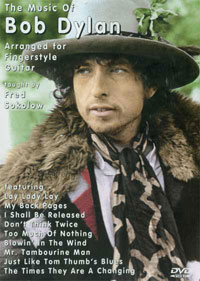
DYLAN BOB MUSIC OF ARRANGED FOR FINGERSTYLE GUITAR BOOK/2-CD TABLATURE CHITARRA SOKOLOW

DYLAN BOB, MUSIC OF ARRANGED FOR FINGERSTYLE GUITAR. Sokolow. 2-CD TABLATURE

LIBRO DI MUSICA ROCK, CON 2 CD.

SPARTITI PER CHITARRA CON TABLATURE 

FINGERPICKING.

Product Description:
Learn how to play and sing nine classic Bob Dylan tunes from start to finish. You will learn how to fingerpick backup arrangements while singing. You will learn to play instrumental solos and how to begin and end each song. While studying Fred’s arrangements of these Dylan hits you will also learn a lot about fingerpicking: backup patterns, soloing ideas and various chord positions. Each song is played at regular speed and then slowed down with a split-screen that gives you a close-up look at the picking as well as chording hand. All the arrangements are clearly written out in tab and music in the accompanying booklet along with lead sheets and lyrics. 90 MINUTES.

Song Title:
Blowin' In The Wind
Don't Think Twice
I Shall Be Released
Just Like Tom Thumb's Blues
Lay Lady Lay
Mr. Tambourine Man
My Back Pages
The Times They Are A Changing
Too Much Of Nothing

Prezzo: €39,99
€39,99

DIDDLEY BO GUITAR SOLOS RECORDED VERSION TABLATURE CHITARRA LIBRO SPARTITI MONA-I'M A MAN

DIDDLEY BO, GUITAR SOLOS, RECORDED VERSION. SHEET MUSIC BOOK WITH GUITAR TABLATURE. 

LIBRO DI MUSICA ROCK BLUES.

SPARTITI PER VOCE E CHITARRA CON:

ACCORDI, PENTAGRAMMA, TABLATURE. 


Bo Diddley - Guitar Solos
Series: Guitar Collection
Format: Softcover - TAB
Artist: Bo Diddley


Legendary blues guitarist Bo Diddley passed away in 2008. This songbook features note-for-note transcriptions with tab for 18 of his best-known songs, with detaled information about his unique style. Includes: Bo's Guitar • Crackin' Up • Diddy Wah Diddy • Hey! Bo Diddley • I'm a Man • Mumblin' Guitar • Oh Yea • Road Runner • She's Fine, She's Mine • Who Do You Love • and more, plus a bio and discography.

Inventory #HL 00692240
ISBN: 9781423464136
UPC: 884088276348
Width: 9.0"
Length: 12.0"
96 pages

Legendary blues guitarist Bo Diddley passed away in 2008. This songbook features note-for-note transcriptions with tab for 18 of his best-known songs, with detaled information about his unique style. Includes: Bo's Guitar - Crackin' Up - Diddy Wah Diddy - Hey! Bo Diddley - I'm a Man - Mumblin' Guitar - Oh Yea - Road Runner - She's Fine, She's Mine - Who Do You Love - and more, plus a bio and discography. 96 pages

Gussie moved Bo and her three other children to Chicago when Bo was about seven. The Baptist church Gussie took him to every Sunday provided Bo's first musical experience: The church musical director taught him violin and trombone. (Bo continued to study violin for twelve years. but eventually stopped because he saw no future for a black violinist.) But when the young Bo peeked through storefront windows at Pentecostal services. he saw a different kind of music-one that made folks jump around and shout. It opened his eyes to the raw power music could have over people. The teenage Elias McDaniel, nicknamed "Bo Diddley" by his school friends. heard John Lee Hooker on the radio doing "Boogie Chillun." and decided to learn to play guitar. His sister bought him a guitar and he "invented" an easy open tuning-the D or E tuning used by so many Mississippi Delta blues guitarists. By the early '40s. the young teen Bo was leading his own musical street corner groups (and doing some occasional amateur boxing). Bo quit school at the age of sixteen and held several jobs. but he continued to play on the streets. To get playing pointers he would hide behind the cigarette machine at the bar where Muddy Waters played and study the reigning king of the Chicago blues scene. By the end of the '40s. Chicago was the blues capital of the world. with Muddy Waters. Howlin' Wolf. Little Walter. and other now-legendary blues performers playing in the local clubs. Bo was married and working at a construction job. but his street group started getting occasional gigs in clubs. He was now working with musicians who would make the classic Bo Diddley records: guitarist Jody Williams. drummer Frank Kirkland. harp player Billy Boy Arnold. and Jerome Green on maracas.

Transcribed and annotated by Fred Sokolow

Written in tablature and music notation with chord grids and lyrics

Special tunings and playing tips with each tune

Features a special section on Bo Diddley's:

       Open Tunings

       Chord Vamps

       Chord Soloing

       Special Techniques

       Rhythm Patterns

       Bass Backup Riffs

       Blues Backup Riffs

       Single Note Soloing

Includes Bo Diddley's biography and a discography

Table of contents:

1955 - Bo Diddley - parole e musica: Ellas McDaniel 
1959 - Bo's Guitar - parole e musica: Ellas McDaniel, Clifton James
1955 - Bring It To Jerome - parole e musica: Jerome Green
1959 - Crackin' Up - parole e musica: Ellas McDaniel
1955 - Diddley Daddy - parole e musica: Ellas McDaniel, Harvey Fuqua
1956 - Diddy Wah Diddy - parole e musica: Ellas McDaniel, Willie Dixon
1960 - Gun Slinger - parole e musica: Ellas McDaniel
1957 - Hey! Bo Diddley - parole e musica: Ellas McDaniel
1955 - I'm A Man - parole e musica: Ellas McDaniel
1957 - Mona (I Need You Baby) - parole e musica: Bo Diddley
1959 - Mumblin' Guitar - parole e musica: Ellas McDaniel
1959 - Oh Yea - parole e musica: Ellas McDaniel
1960 - Road Runner - parole e musica: Ellas McDaniel
1962 - Sad Sack - parole e musica: Ellas McDaniel
1959 - Say Man - parole e musica: Ellas McDaniel
1964 - She's Fine, She's Mine - parole e musica: Ellas McDaniel
1956 - Who Do You Love - parole e musica: Ellas McDaniel
1960 - You Don't Love Me (You Don't Care) - parole e musica: Ellas McDaniel
 

Prezzo: €24,99
€24,99
Condividi contenuti